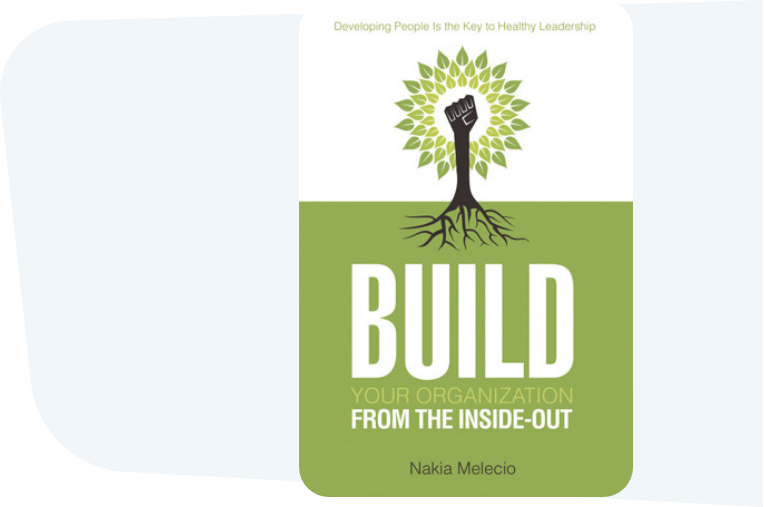
Build Your Organization from the Inside-Out
Coaching is a new field that draws on many related domains including behavioral science, solutions-focused therapy, philosophy, systems thinking, and the study of change. It is important to be familiar with these topics, since they inform the field of coaching. It is also necessary to understand the scientific basis behind any coaching frameworks.
In this book, through a combination of presentations, readers will understand what coaching draws upon, enabling them to see the links between theories and practice. They will also be able to utilize the material to validate their work within organizations and with external clients. Specific topics include principles of adult learning theory, cognitive behavioral therapy, and neuro-linguistics. Readers will also explore the thinking emerging from recent non-clinical, solutions-focused approaches within the field of psychology. 

Upon successful completion of this reading, readers will gain a better understanding of the definitions of and theory behind coaching, a working knowledge of the scientific basis for coaching, and familiarity with the wide range of coaching models.
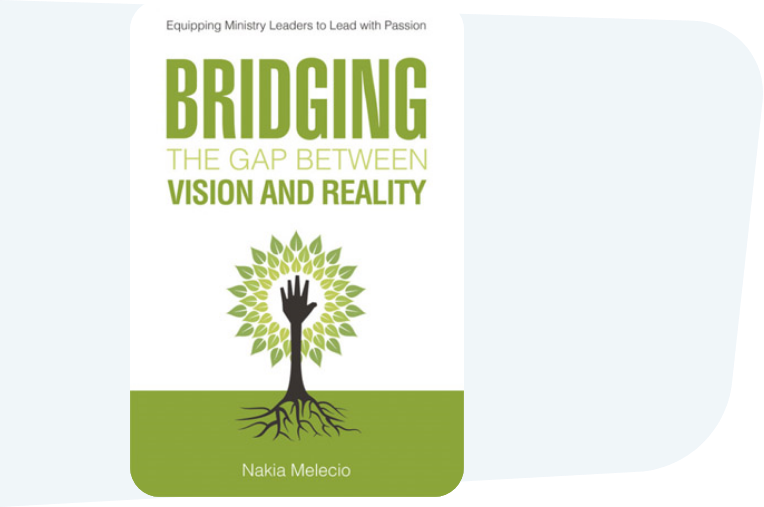
Bridging The Gap Between Vision and Reality: Equipping Ministry Leaders to Lead with Passion
Then saith he unto his disciples, The harvest truly is plenteous, but the labourers are few.Â
–Matthews 9:37
It may be cliché, but there’s no question that change is inevitable. Change prompts and prods organizations and churches to grow and adapt to today’s rapidly evolving marketplace. Considering how naturally resistant people are to change, coaching has proven to be a critical tool needed more than ever in a world experiencing unprecedented change.
When you hear the word “coach” or “coaching”, what comes to mind? For many, these words are synonymous with participation in sports. A coach leads an athletic team, and his or her role is to guide the team towards success. Coaching, in general, is a continuous process of providing people with feedback to enhance, maintain or improve their performance. A coach observes performance, shares knowledge and expertise, and provides encouragement to assist leaders in reaching continuously higher levels of performance. That said, understandably, coaching transcends traditional boundaries and conventional mindset.
The ability to coach leaders is a core competency for those helping organizations to develop. Through coaching, leaders learn how to optimize the value of human capital. Coaching helps them clarify their visions, beliefs, and values, and stretch their capacity to lead and influence. They can then become catalysts for change within their organizations or ministries.
More specifically, by shifting from old hierarchical models to relational models for leading and influencing, churches are creating coaching cultures that encourage organizational learning. Coaching enables people to develop their thinking and actions in response to differing situations. Coaching has emerged as an effective way to help people learn to think and work together more productively. The “coach approach†encourages learning, growth and teamwork all at the same time.
The Courage To Stand On The Stage Of Life
In the midst of a storm, it can be hard to believe anything good will come. But it will. And if you believe that, your actions will reveal it. Sometimes it takes years to see the big picture of what God is doing in a situation, but with patience, time and faith, the good becomes more obvious. Having the faith to believe this one truth can provide the motivation to persevere in the face of overwhelming odds.
Without courage, a person knocked off course and into a ditch will stay there. Afraid of making a wrong move, getting hurt, being embarrassed, or facing the future will paralyze you from taking action. The comeback process described in “The Courage To Stand On The Stage of Life†requires readers to muster a great deal of courage. They will need courage to believe better days are ahead. They will need courage to ask for help. They will need courage to let go of the past and deal with the uncertainty of the future. They will need courage to start over. They need courage to take steps forward despite their fears. Action steps to build courage will appear in every chapter of this book.


Planting
Planting new churches is a dedicated response and reasonable service to fulfilling God’s mission. This critical church planting is not only the focus of today’s Christians, but it is also the theological and practical subject of numerous Christian studies that tout scripturally based work for shoring up today’s church. Nakia Melecio is answering God’s call to support local churches, both old and new, and the outcry of God’s people in a heartfelt attempt through conferences, workbooks, websites, and many other substantive pathways for spiritual founding and healing. Church planting is necessary, but it is no easy feat. Nakia Melecio’s ministry will help struggling churches to reinvent themselves and new churches to plant firmly and deeply on solid rock. Through steadfast diligence and unwavering faith, God’s mission can and will be fulfilled. Nakia Melecio shares the vision of how to build a legacy and ultimately claim the victory— methodically, effectively, spiritually, and graciously.
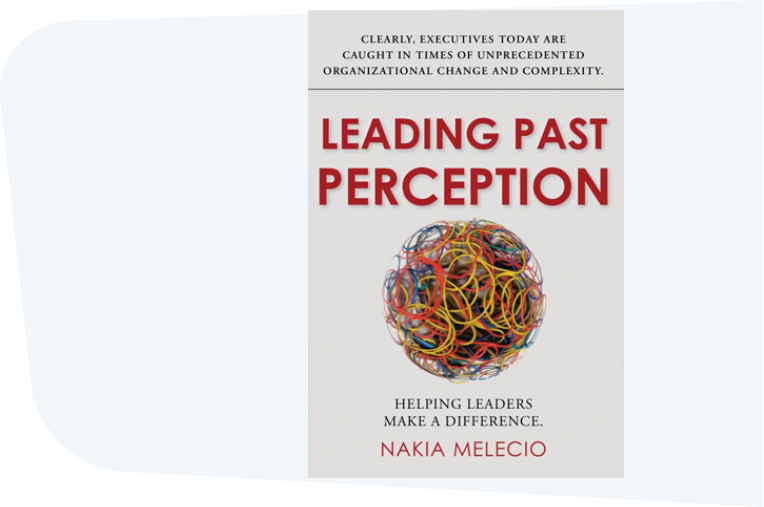
Leading Past Perception
Perception is reality. Reality is perception. In any case, in order to improve group communications and dynamics, it is necessary to have the crucial conversations that are too often avoided. While perceptions are not harmful, for the most part, if not managed well, they could ignite destructive behaviors, which lead to negative outcomes. Perhaps one of the most basic, yet powerful methods for managing perceptions is opening the lines of communication and providing constructive feedback in a timely, consistent manner. At the core of managing perceptions, which in turn manages expectations, is trust. Trust breeds the opportunity for healthy perceptions, exchange, and ultimate resolution.
Leadership is a process; it is comprised of more than the leader and the situation. Previous research has taken an alternative approach to identifying leadership effectiveness by looking at leadership as a social means, occurring among groups of people engaged in joint activity. In this book, the constructivist view challenges the assumptions of more traditional leadership theories.
Essentially, I want to develop servant leaders, who need to acquire the skills and knowledge to tackle the complex challenges facing modern organizations today. Leadership can be a very challenging thing at times (some would argue most times), and more than ever we need leaders with the character, temperament, and boldness to lead past perception.